EQUINE PHYSIOTHERAPY
Equine Physiotherapy for Performance, Comfort & Rehabilitation
Equine physiotherapy helps horses move more freely, stay comfortable in work, and recover safely from injury or surgery. Using a combination of hands-on techniques, targeted exercises and, where appropriate, Hofmag PEMF therapy, Andrea supports horses from happy hackers to competition horses.
Each treatment plan is tailored to the individual horse, taking into account their workload, history, temperament and your goals as an owner or rider.
How Physiotherapy Helps Horses
Equine physiotherapy supports your horse’s muscles, joints and overall movement patterns. Whether your horse is competing, hacking, young, ageing or in rehabilitation, physiotherapy can help improve comfort, mobility and performance.
Common signs your horse may benefit from physiotherapy include:
Behavioural changes linked to discomfort
Loss of suppleness or straightness
Reluctance to work or go forward
Unevenness in transitions or contact
Back pain or stiffness
Common Issues in Performance & Leisure Horses
Horses often show subtle signs of discomfort long before any obvious lameness appears. Physiotherapy helps identify and address these issues early, supporting both comfort and performance.
Common indicators your horse may need physiotherapy include:
Inconsistency on one rein
Hollowing, rushing or resistance under saddle
Difficulty bending or maintaining a frame
Reduced engagement or impulsion
Changes in jump technique or refusals
Equine physiotherapy can also be combined with Hofmag PEMF therapy to support tissue healing and reduce pain or inflammation.
Rehabilitation After Injury or Surgery
Following injury or veterinary treatment, structured physiotherapy helps your horse recover safely and effectively. Every rehabilitation plan is created in collaboration with your vet to ensure the best clinical outcomes.
Physiotherapy is commonly used to support recovery from:
Tendon and ligament injuries
Muscle strains and soft tissue issues
Sacroiliac and back problems
Post–box rest conditioning
Weakness after time off work
What to Expect at Your Horse’s First Session
Your horse’s initial assessment is calm, thorough and built around clear communication. Andrea takes the time to observe your horse in-hand and, where appropriate, under saddle, explaining each step in a clear and supportive way.
A first assessment typically includes:
Review of veterinary history and owner concerns
Conformation and static posture assessment
Walk/trot-up and dynamic movement analysis
Palpation of muscles, fascia and joints
Ridden assessment if suitable
Initial treatment based on findings
Treatment Techniques Used
Your horse’s treatment plan is fully tailored to their individual needs. Andrea uses a combination of hands-on therapy, targeted exercises and research-led modalities to improve comfort, mobility and performance.
Common treatment techniques include:
Manual therapy (massage, myofascial release, trigger point work)
Stretching and joint mobilisation
Strengthening and conditioning exercises
Proprioception and balance work
In-hand rehabilitation plans
PEMF therapy using the Hofmag® system
Ongoing Support & Performance Maintenance
Physiotherapy isn’t just for rehabilitation. Many owners choose regular sessions to maintain performance, monitor subtle changes and support long-term soundness. Andrea provides clear guidance on how often your horse may benefit from treatment based on their workload, age and individual needs.
Benefits of ongoing physiotherapy include:
Improved suppleness and range of motion
Maintenance of healthy muscle development
Early identification of issues
Support through changes in workload
Precise progress monitoring and communication
FAQ
Q1: What does an equine physiotherapy session involve?
An equine physiotherapy session usually includes a discussion of your horse’s history, an assessment of posture and movement, hands-on treatment, and exercises or management advice to support ongoing improvement.
Q2: Does my horse need a veterinary referral?
Yes. Andrea works under veterinary referral to make sure physiotherapy is appropriate for your horse’s condition and part of a coordinated, vet-led treatment plan.
Q3: Can physiotherapy help with back pain or kissing spine?
Physiotherapy can help manage back pain and support horses with kissing spine as part of a wider plan agreed with your vet. Treatment may include soft tissue techniques, exercises and advice on schooling and management.
Q4: Is equine physiotherapy suitable after injury or surgery?
Yes. Equine physiotherapy is often recommended after tendon, ligament or orthopaedic injuries to support a safe and structured return to work.
Q5: How many sessions will my horse need?
This depends on the condition being treated, how long it has been present and how your horse responds. Some horses improve after just a few sessions, while others benefit from longer-term support.
Why Choose Andrea for Your Horse’s Physiotherapy?
Andrea holds a BSc (Hons) in Veterinary Physiotherapy, providing professional assessment and rehabilitation for horses, including back pain, kissing spine, soft tissue injuries, and performance-related issues.
Experience with both leisure and performance horses
Research background in Hofmag PEMF therapy
Kind, calm, horse-first approach
Works under veterinary referral as part of the wider team
Focus on practical, realistic plans for owners and riders
You can read more about Andrea’s background, qualifications and approach on the About Andrea page
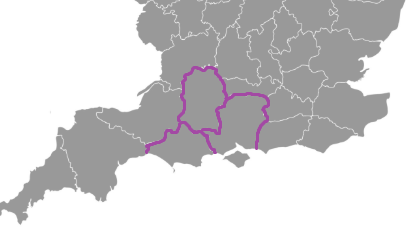
Areas Covered
Andrea provides mobile physiotherapy across:
Totton, Southampton, New Forest, Romsey, Cadnam, Ashurst, Lyndhurst, Salisbury, Dorset, Wiltshire and Warminster.
If you’re outside these areas, feel free to get in touch — Andrea may still be able to help.
Ready to Help Your Dog or Horse Move Comfortably Again?
Andrea provides gentle, evidence-based physiotherapy tailored to each animal’s needs. Whether your dog needs support with mobility or your horse requires rehabilitation, Andrea is here to help with calm, expert care.