Canine Physiotherapy
Canine Physiotherapy for Mobility, Recovery & Long-Term Comfort
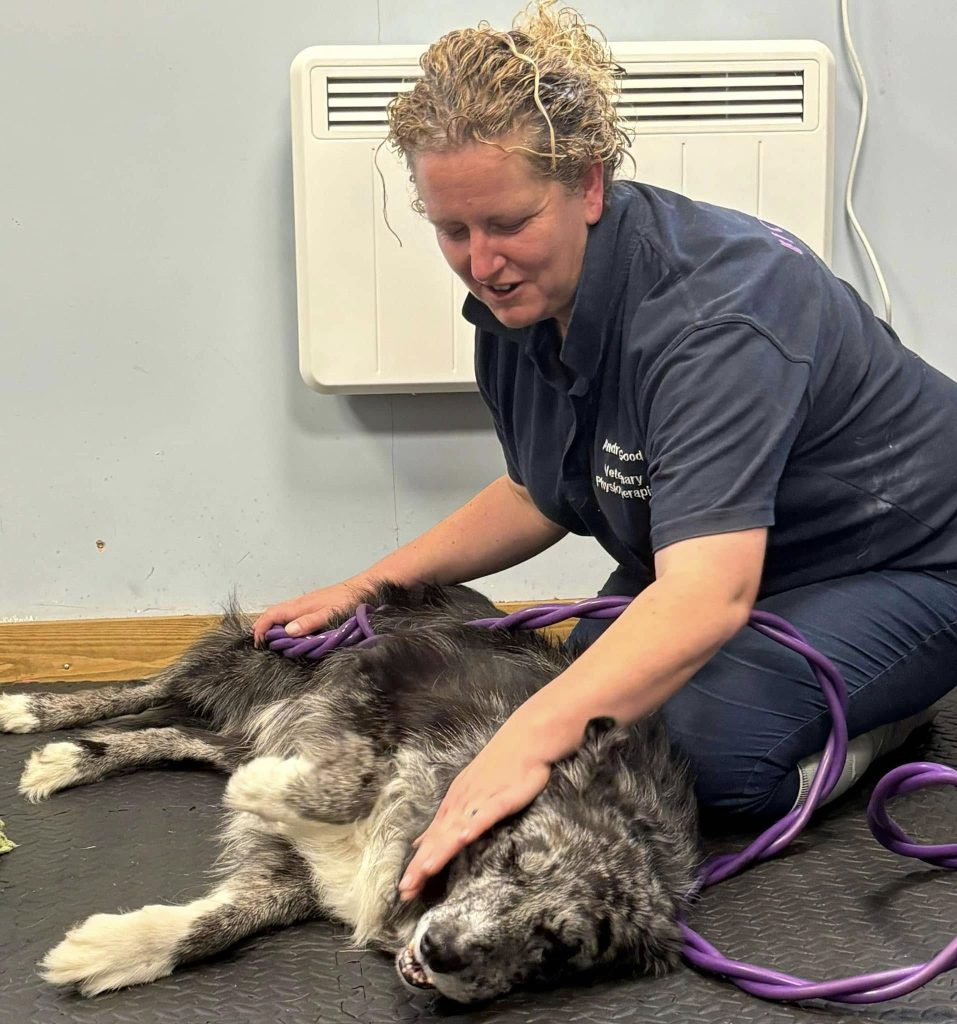
Canine physiotherapy helps dogs move more freely, recover from injury, and manage conditions such as arthritis, cruciate ligament damage, and soft-tissue strains. Using a combination of hands-on techniques, exercise therapy, and targeted technologies, Andrea supports dogs of all ages and abilities — from young, active pets to older dogs needing gentle mobility care.
Physiotherapy sessions are tailored to your dog’s individual needs and may be combined with therapies such as Hofmag PEMF therapy for even better results.
What Canine Physiotherapy Helps With
Veterinary physiotherapy supports your dog’s muscles, joints and nervous system. It can help dogs recovering from injury or surgery, managing long-term conditions, or those who are simply slowing down and finding everyday movement more difficult.
Common reasons dogs benefit from physiotherapy include:
Reduced mobility or stiffness
Limping or uneven gait
Difficulty with stairs, jumping or getting up
Changes in behaviour linked to discomfort
Common Orthopaedic & Age-Related Problems
Many dogs develop orthopaedic or age-related issues that affect how they move and feel. Physiotherapy works alongside your vet’s care to improve comfort, restore function and support long-term mobility.
Conditions commonly helped by physiotherapy include:
Cruciate ligament injuries (including TPLO and TTA cases)
Hip and elbow dysplasia
Osteoarthritis and general wear-and-tear
Patella luxation
Stiffness in senior dogs
Neurological & Soft Tissue Conditions
Dogs can experience neurological or soft tissue problems that affect balance, coordination and strength. Gentle, targeted rehabilitation helps restore movement, build confidence and support long-term recovery.
Common conditions physiotherapy can support include:
Intervertebral Disc Disease (IVDD)
Nerve injuries or general weakness
Muscle strains and tears
Tendon and ligament issues
Loss of coordination or confidence when moving
Many dogs also benefit from combining physiotherapy with Hofmag PEMF therapy, which can help reduce inflammation and accelerate recovery.
What Happens at Your Dog’s First Session
Your dog’s first appointment is calm, unhurried and tailored to their comfort. Andrea takes time to get to know your dog, understand their history and observe how they move before beginning any treatment.
A first assessment typically includes:
Review of your dog’s history and veterinary notes
Observation of posture and movement
Hands-on assessment of muscles and joints
Discussion of findings in clear, simple language
Initial treatment where appropriate
Treatment Methods I Use
Each dog’s treatment plan is tailored to their individual needs. Andrea combines hands-on techniques, targeted exercises and evidence-based modalities to improve comfort, strength and mobility in a safe, controlled way.
Common treatment methods include:
Manual therapy and massage
Stretching and joint mobilisation
Individualised exercise programmes
Balance and strengthening work
PEMF therapy using the Hofmag® system
Integration with hydrotherapy, where appropriate
How Many Sessions & What Happens Next
The number of physiotherapy sessions your dog needs depends on their condition, how long the issue has been present, and how they respond to treatment. After the first appointment, Andrea will provide a clear, personalised plan so you know exactly what to expect.
What typically happens after the first session:
Some dogs improve noticeably in just a few sessions
Long-term conditions may benefit from ongoing support
You will receive a tailored home exercise plan with guidance
Andrea is happy to work closely with your vet and keep them updated on progress
Why Choose Andrea for Your Dog’s Physiotherapy?
Andrea is a degree-qualified Veterinary Physiotherapist with a BSc (Hons) Veterinary Physiotherapy, awarded by the Royal Agricultural University and delivered at Plumpton College.
Researcher with a forthcoming study on Hofmag PEMF therapy
Calm, kind and animal-first approach
Tailored rehabilitation plans for every dog
Works under veterinary referral
Experience with both routine and complex cases
You can learn more about Andrea’s background and approach on her About Andrea page.
FAQ
Q1: What does a canine physiotherapy session involve?
A canine physiotherapy session usually includes an assessment of your dog’s movement and posture, hands-on treatment, and tailored exercises. Andrea will also discuss a home plan to support your dog’s recovery and comfort.
Q2: Does my dog need a veterinary referral?
Yes. Andrea works under veterinary referral to ensure physiotherapy is appropriate for your dog’s condition and part of a coordinated treatment plan.
Q3: Can physiotherapy help older dogs with arthritis?
Yes. Physiotherapy can be very helpful for older dogs with arthritis by improving mobility, reducing stiffness, and supporting muscle strength. It can also be combined with Hofmag PEMF therapy where appropriate.
Q4: Is canine physiotherapy suitable after surgery?
Yes. Post-operative rehabilitation is one of the most common reasons dogs are referred for physiotherapy. Andrea will work alongside your vet’s advice to support safe, structured recovery.
Q5: How many physiotherapy sessions will my dog need?
This depends on your dog’s condition, how long it has been present, and how they respond to treatment. Some dogs improve after a few sessions, while others benefit from ongoing support.
Areas Covered
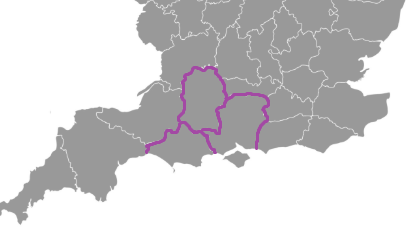
Andrea provides mobile physiotherapy across:
Totton, Southampton, New Forest, Romsey, Cadnam, Ashurst, Lyndhurst, Salisbury, Dorset, Wiltshire and Warminster.
If you’re outside these areas, feel free to get in touch — Andrea may still be able to help.
Ready to Help Your Dog or Horse Move Comfortably Again?
Andrea provides gentle, evidence-based physiotherapy tailored to each animal’s needs. Whether your dog needs support with mobility or your horse requires rehabilitation, Andrea is here to help with calm, expert care.